Improve vending machine accessibility experience?
Designing a mobile app to enhance the experience on +600k vending machines for people with disabilities or nutritional restrictions. A better management for the 900 professionals and 12M customers per day.
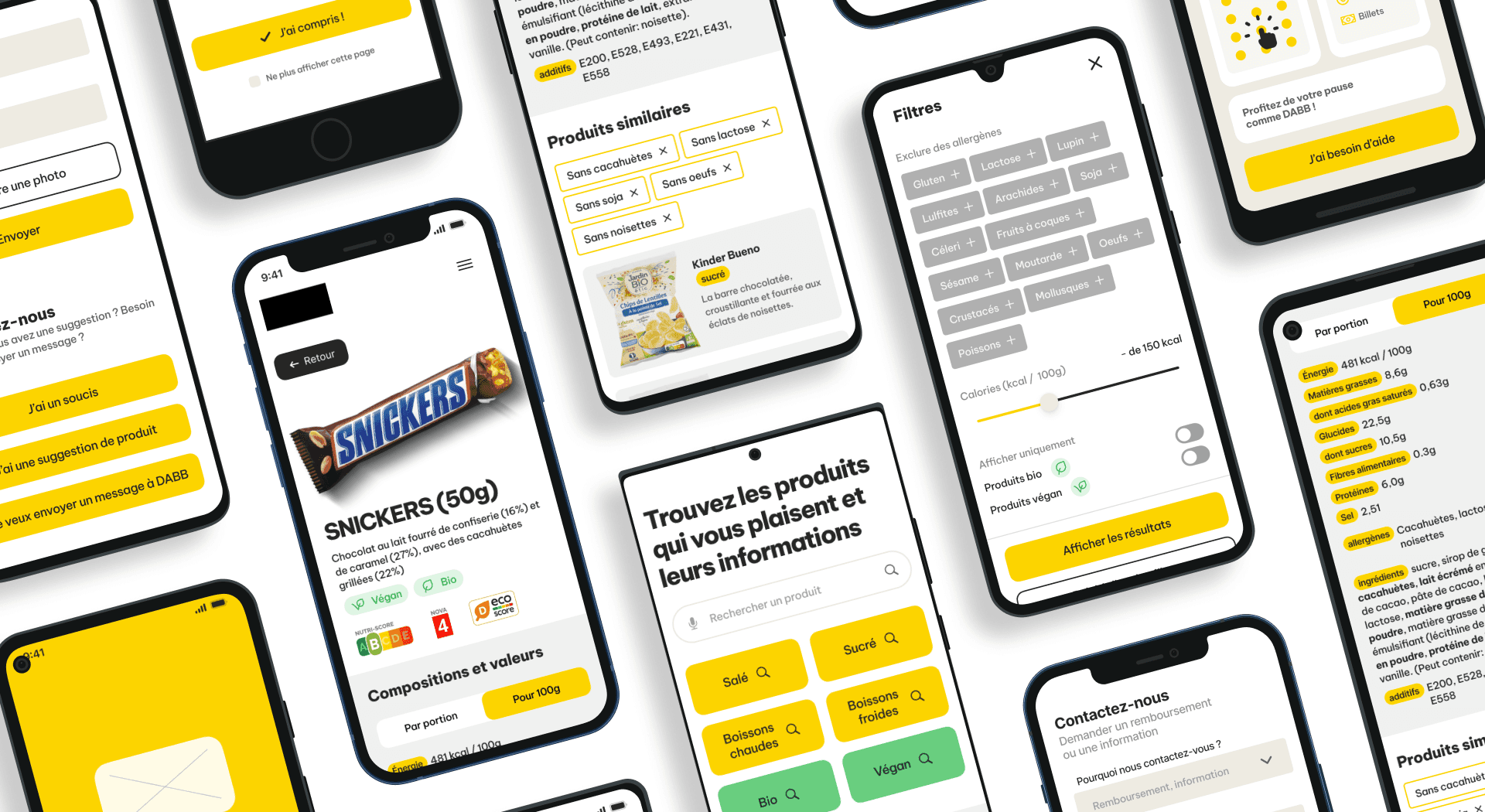
User objective - Better choice, greater accessibility, Product informations & the possibility of being accompanied.
Business objective - Remote vending machines management, customer insights, improved profitability and user loyalty.
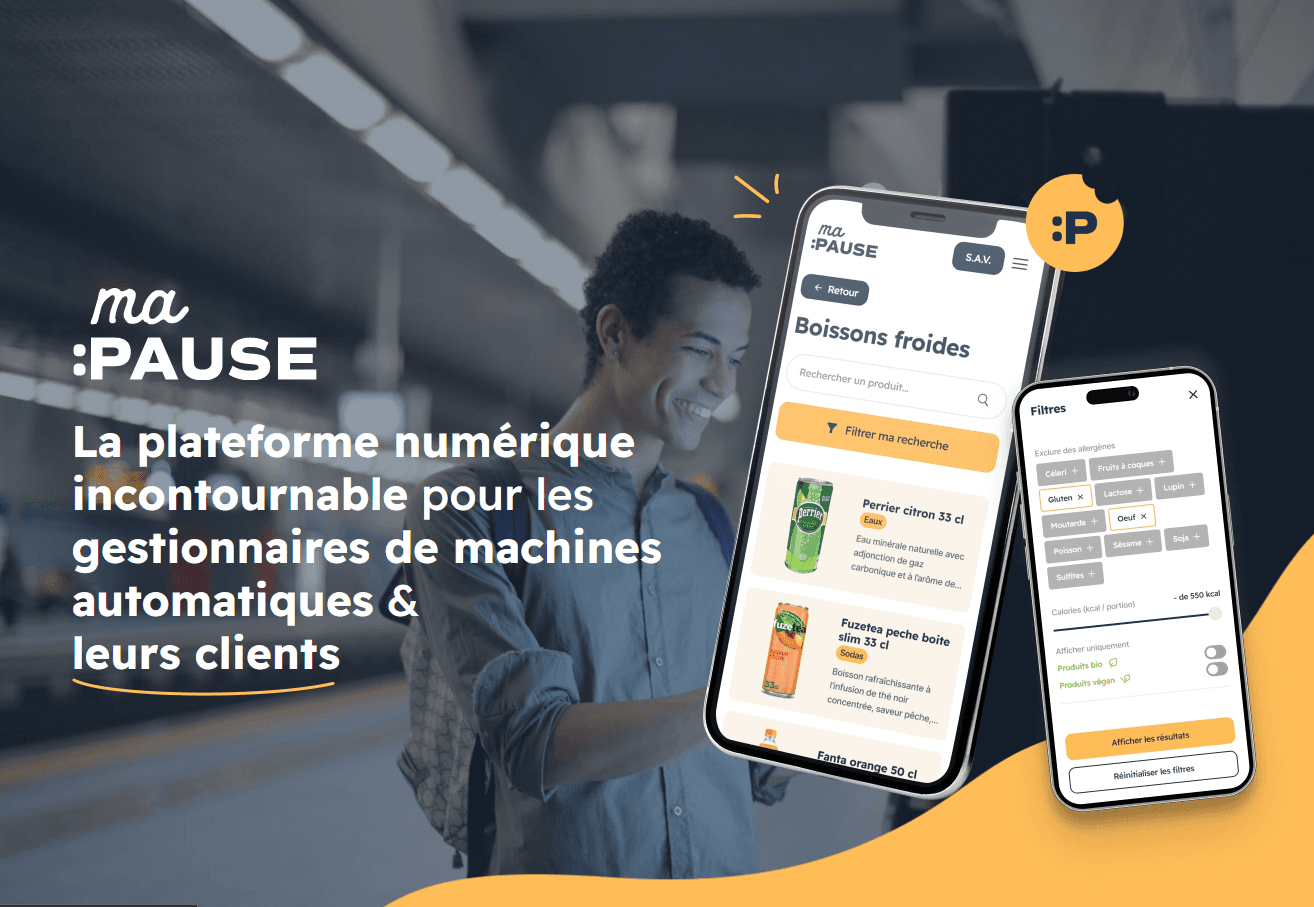
Current lack of accessibility & market knowledge
Vending machines without accessiblity for people with reduced mobility, allergies, dietary concerns, restricted diets, etc. refrein them from having a good break and cut a market share that can be important. The secondary objective is also to ease the workload of the support department by allowing user to get help and answer on the app directly.
Allergies, Nutrition & disabilities in France
-> Between 3% and 8% of French people have a food allergy
-> Nearly 56% of French people follow a specific diet: organic, flexitarian, vegan, Made in France, etc.
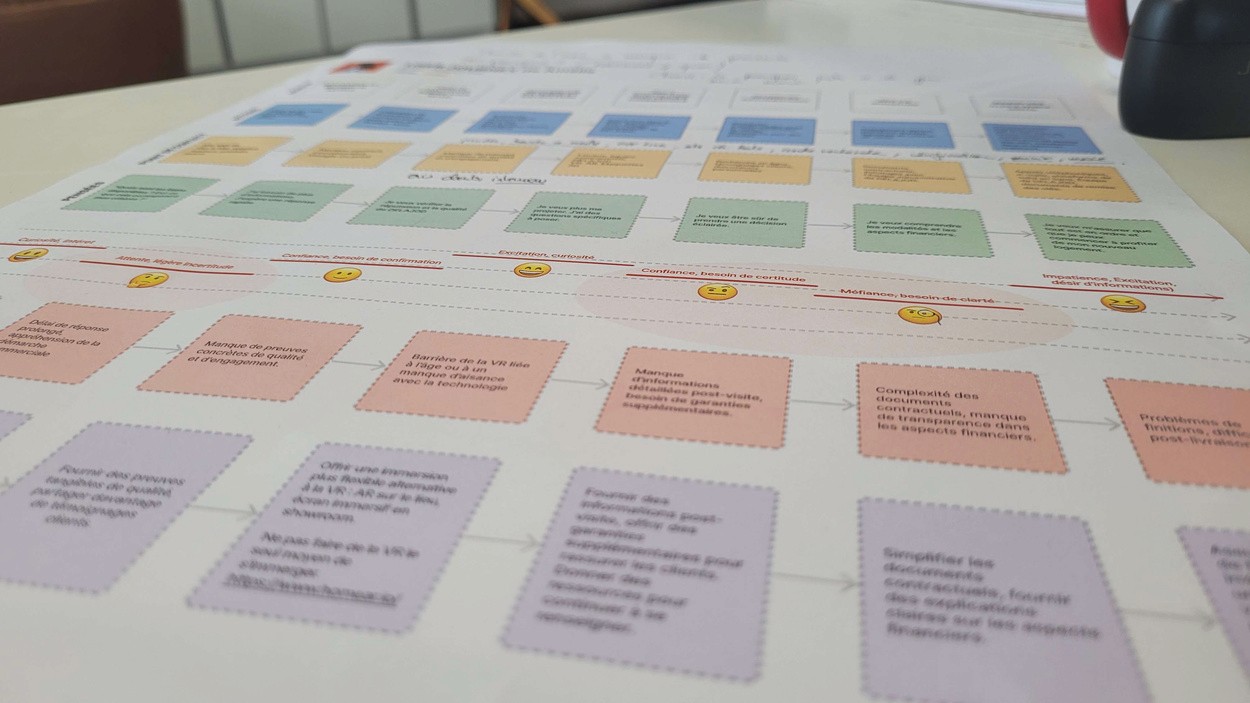
What's holding customers back?

Allergic & diabetic
Customer
As a diabetic & allergic customer,
I want to have information on the products available,
In order to order safely what I want.

Hurried
Customer
As a hurried customer,
I want to save time when having an issue,
In order to lower my mental workload.

Sportive & Vegan
Customer
As a sportive & vegan customer,
I want to get the nutritive informations before buying,
In order to control my nutrition and my diet.
Ideation around the user needs
1/ Allow nutritional restricted people to enjoy a break
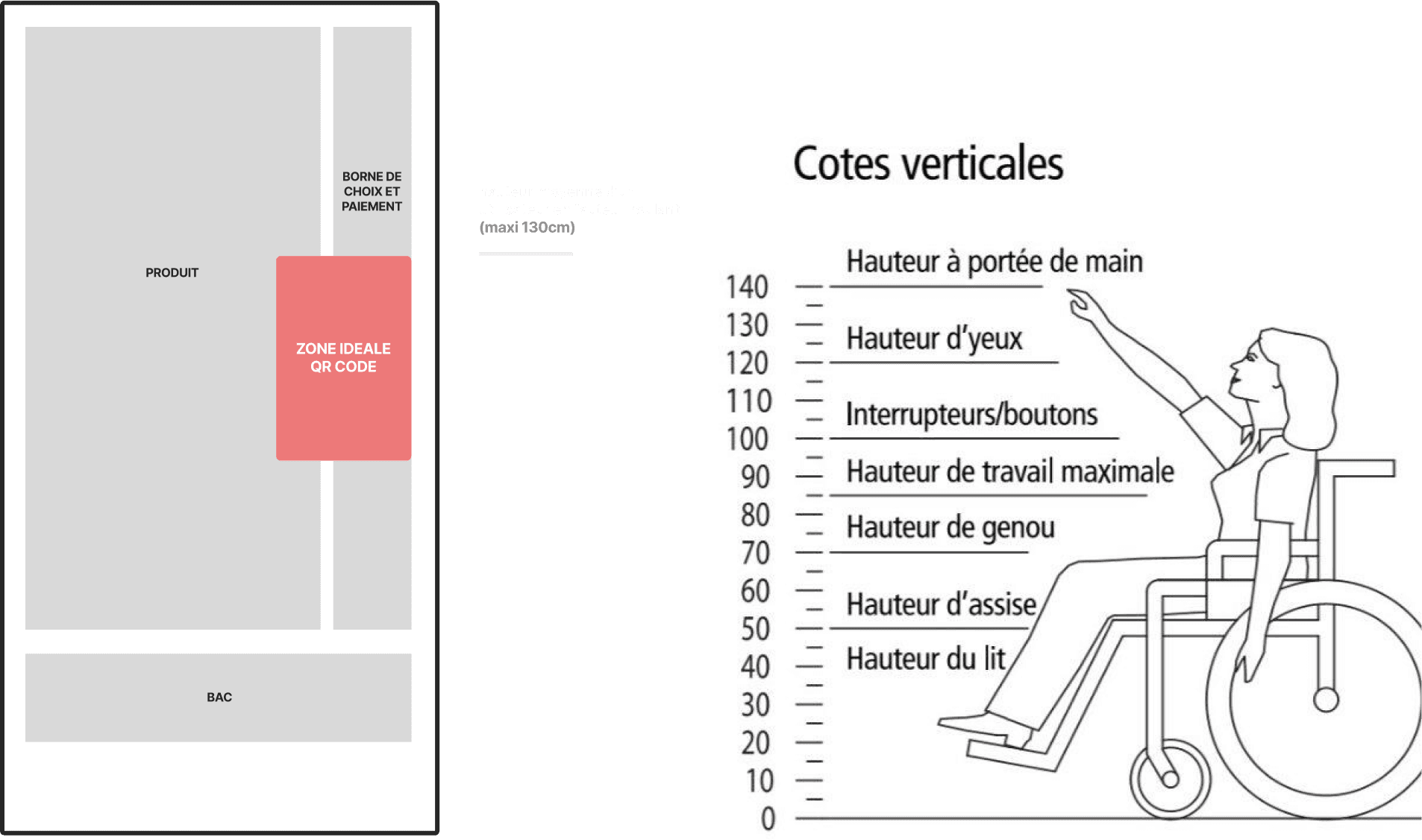
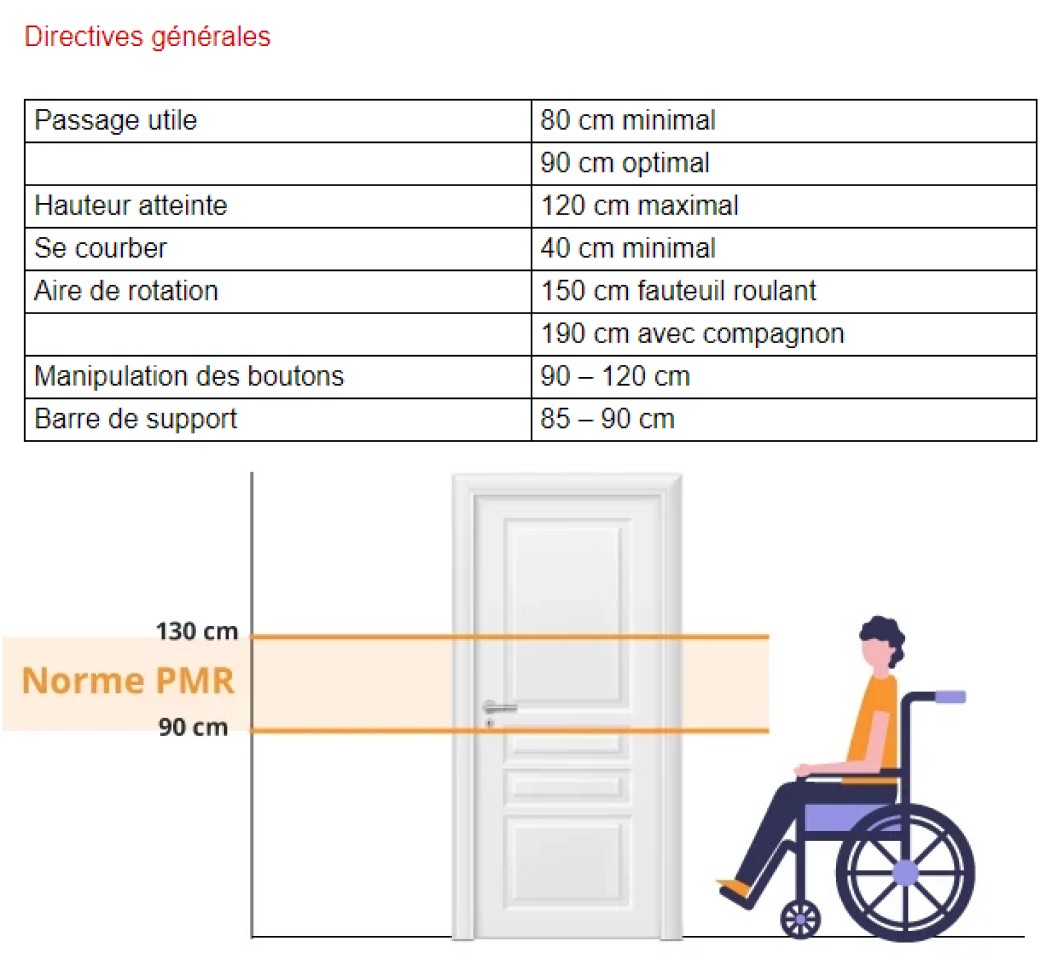
2/ Allow disabled people to use vending machine easily
3/ Allow deep product research
4/ Allow an easy refund method
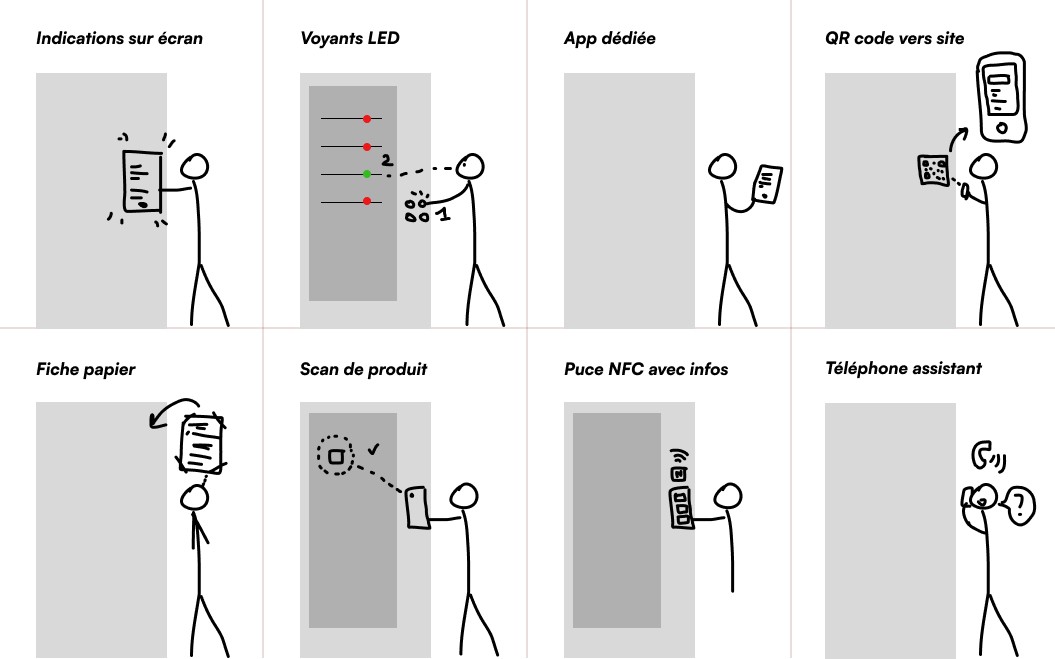
Insights: different places means different task flows.
The main challenge we stumbled upon here was the multiplication of the places where the vending machines could be, and so the multiplication of the context of use in addition to who use it. So we built a first userflow and the first prototype in order to test it and gather metrics about location like hospitals, malls, offices, etc.
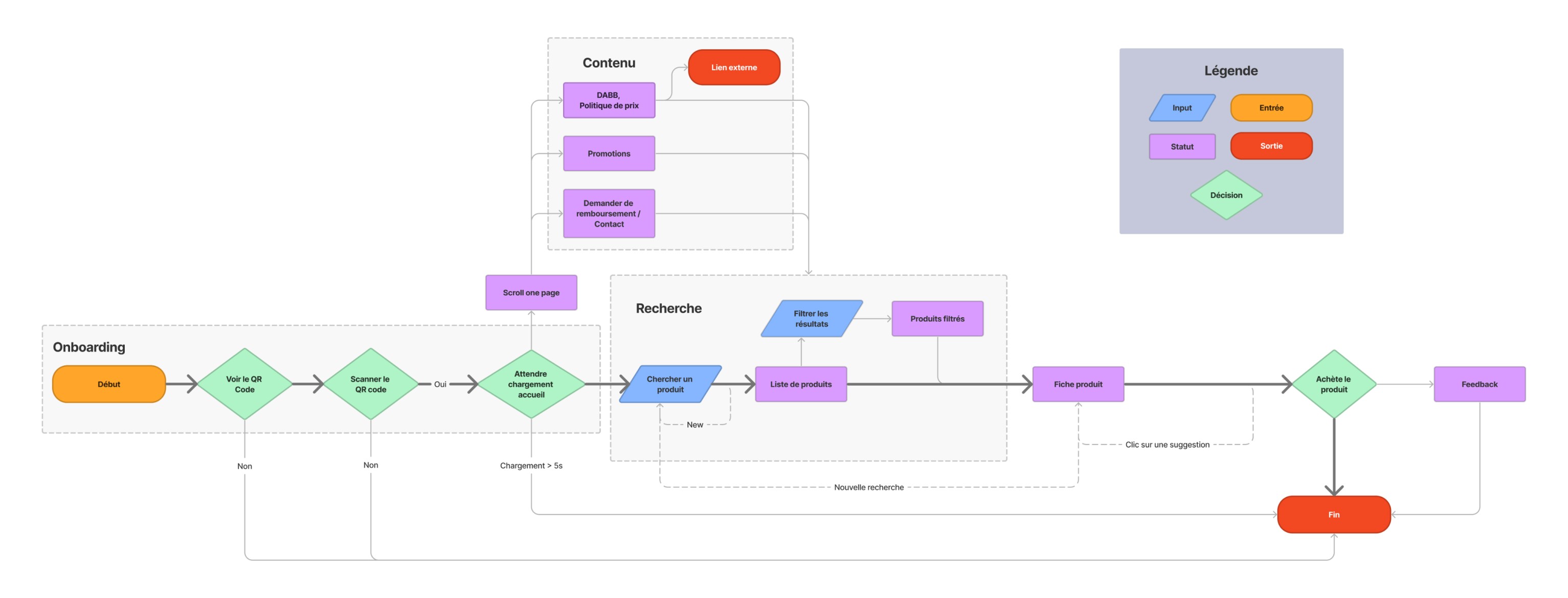
Different ways to search what they want.
Using metrics from analytics and usability tests I conducted, we got the insight that people didn't search the same way in hospitals and in public places for example. When they tend to search for a category like hot drink ou sweet snacks in shopping mall, they search more by ingredients in hospital.
So, how do we keep a common useflow within the app, but adapting it to every places ?
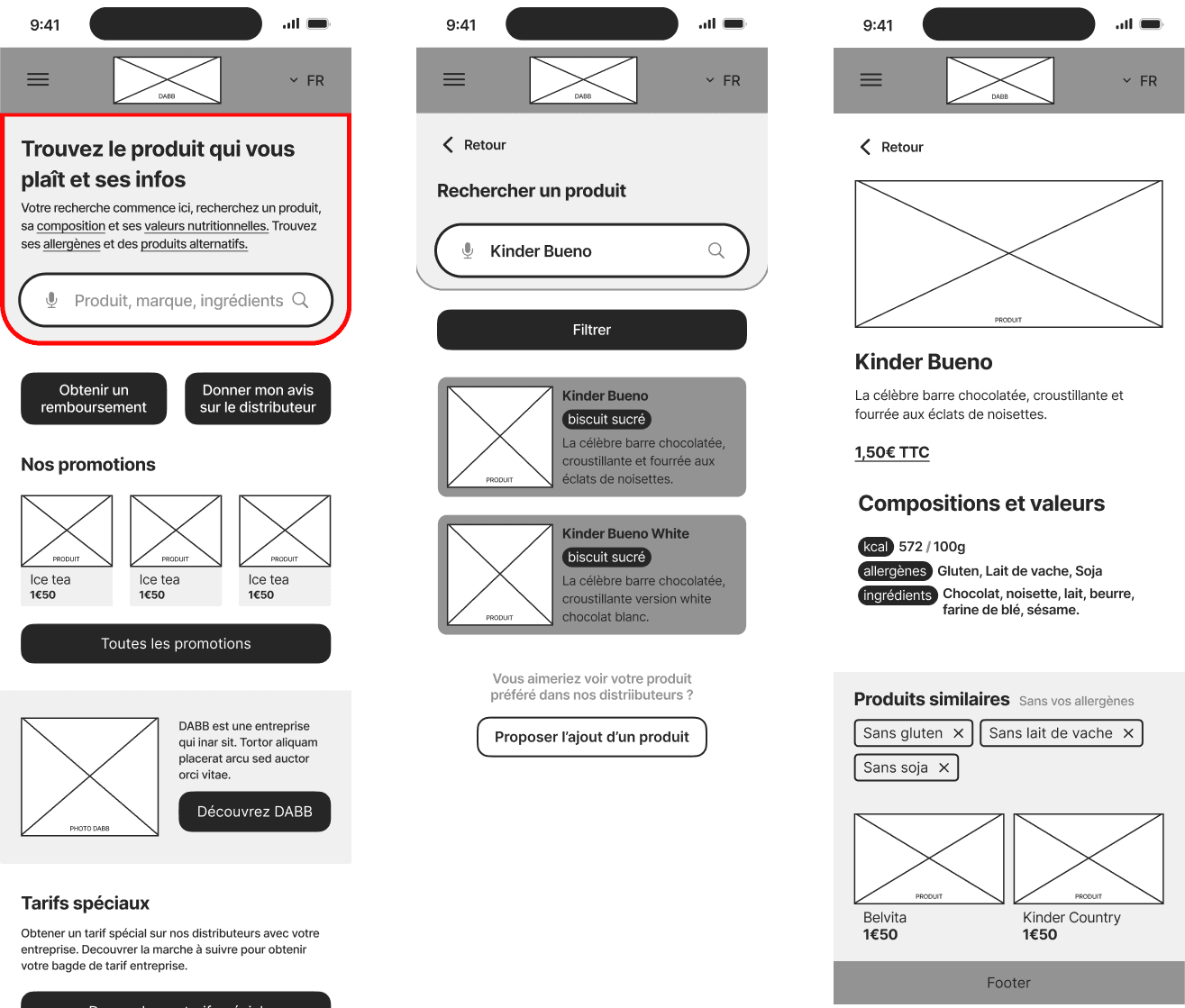
Here's the wireframe before the iteration on the search flow
You can see that in the red area, we can search for ingredients, product and brand. That is inefficient when someone want to discover new products, as it can be necessary for the company.
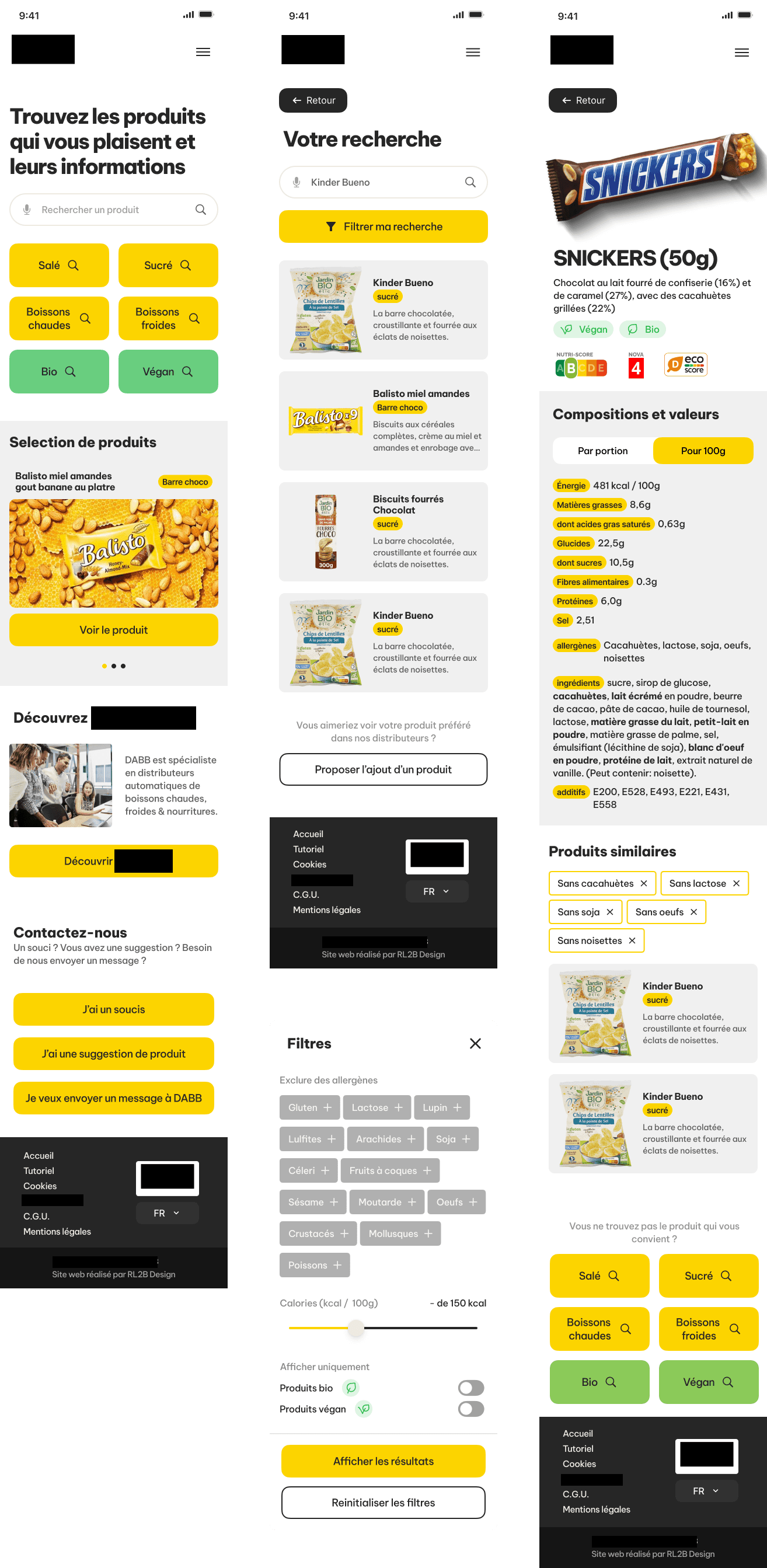
Also, on a previous iteration, for customer with diabet, allergies or nutritionnal constraints, we added filters by calories, vegan, allergies. Moreover, product they would like but can't eat or drink, now suggests similar product respectful of their constraints.
Here's the prototype after the iteration on the search flow
We decided to add a category search and to include it in the keywords of each product. With this modification, people were much more able to find something new in the context they want.
New tests showed that people were 92% more successful in finding what they wanted or what satisfied them.
Thank for reading!
You might like these projects
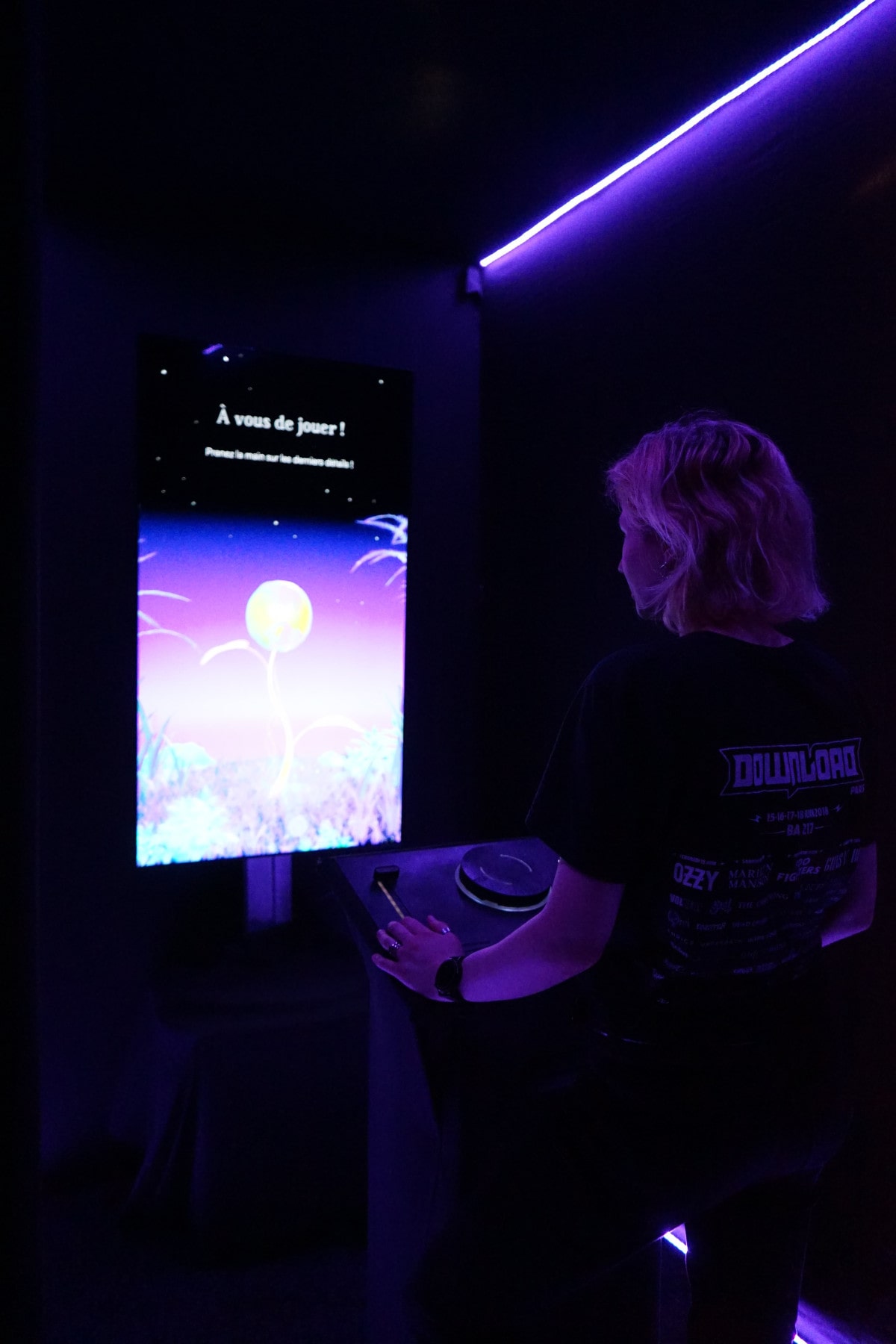
Hanami is an interactive installation that aims to promote cultural places by creating a poetic experience that links museum and parc visitors.
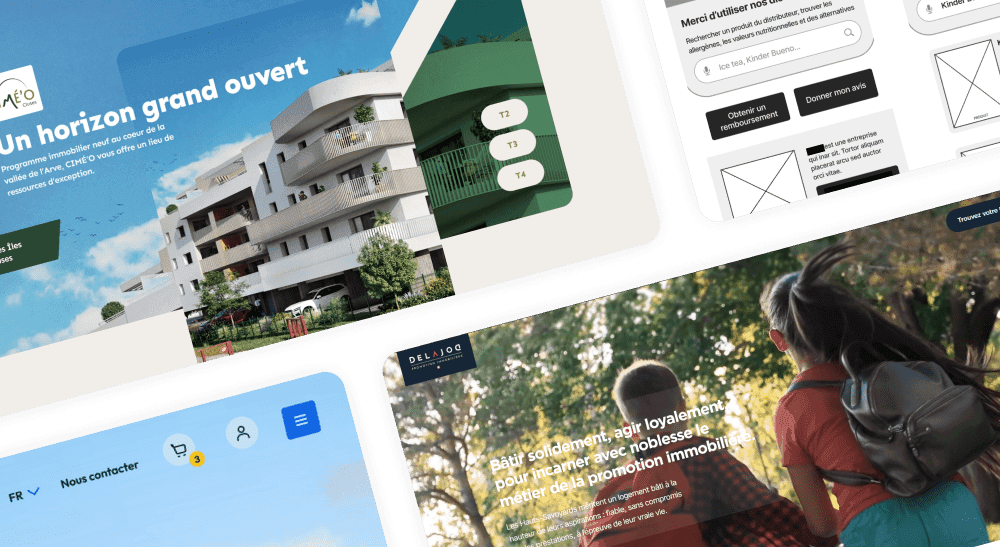
Building website and e-commerce platform in agency since 2021. From strategy to iteration and handoff, I work in a systemic & creativite way to find the right designs to reach business goals.
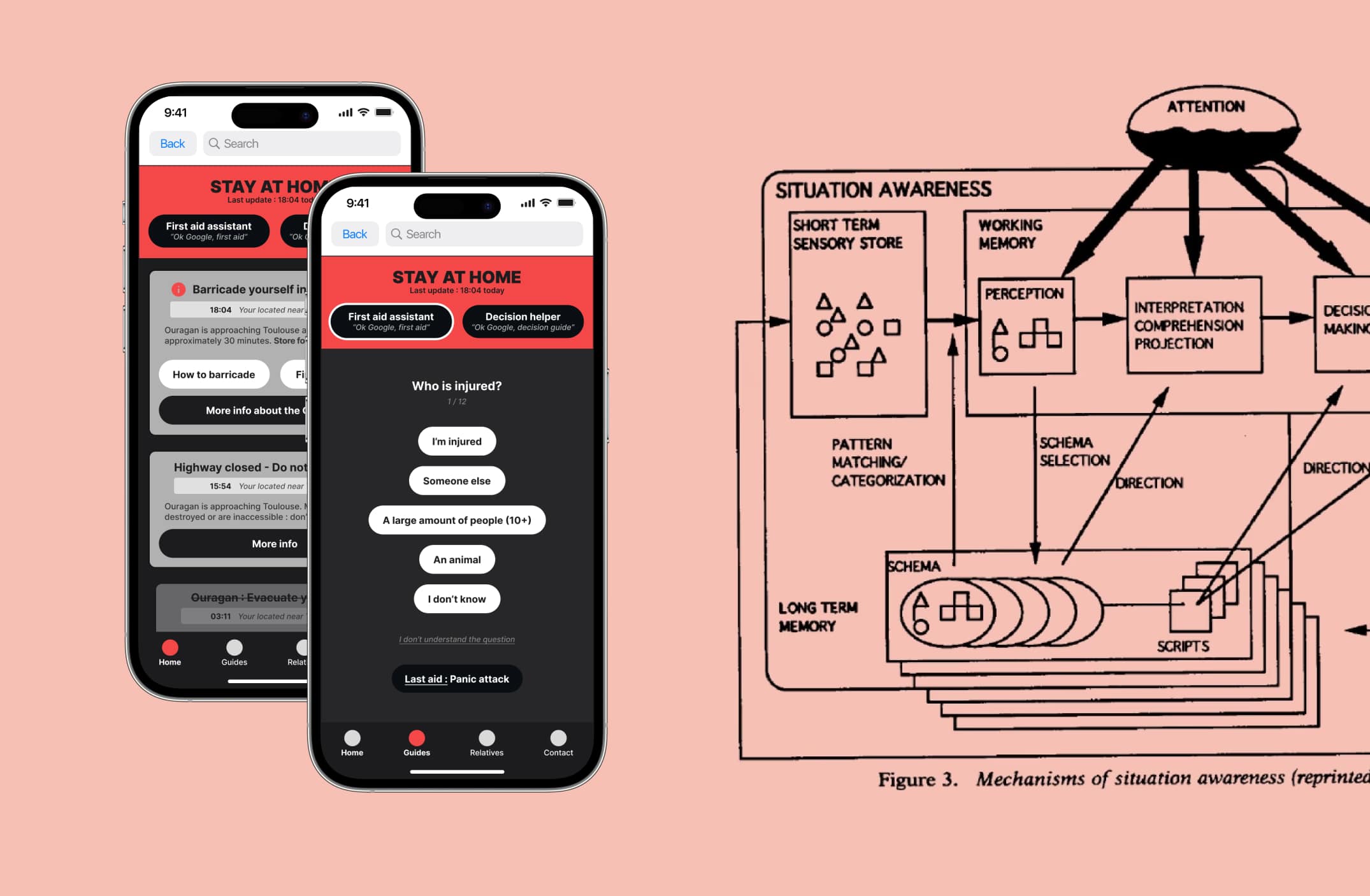
For my graduation thesis, I asked myself "Can UX design help manage natural disasters in France and around the world? If yes, how?"